Home Security Fog System: What to Know Before You Install
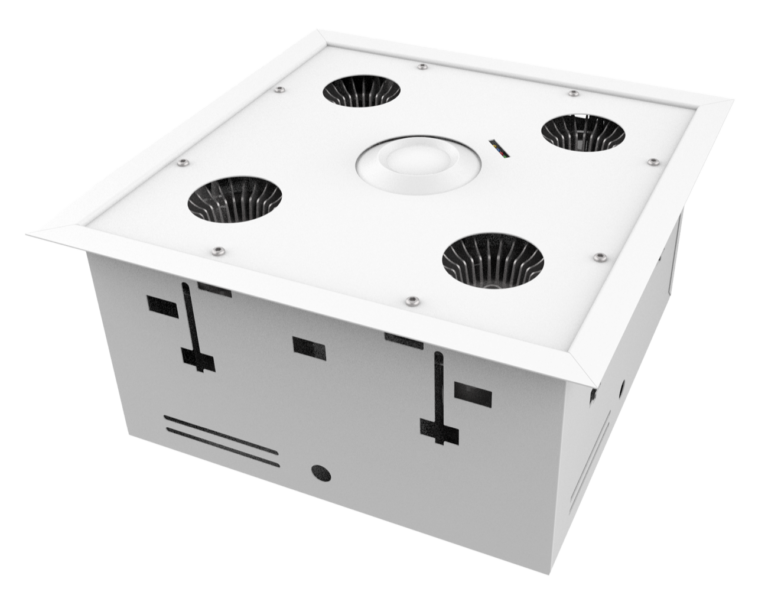
A home security fog system adds an active response to a confirmed break-in. Instead of only sending an alert, it releases a dense cloud that reduces visibility in a chosen area. However, the right setup starts with your household and floor plan, not a product brochure.
For homeowners, the key question is simple: which space needs extra protection when nobody should be inside? A private collection room or garage may need a different plan from an open living area. This guide explains what to discuss before you approve an installation.

Is a home security fog system right for your property?
Start by identifying what you need to protect. For example, you might have a watch collection, valuable tools, or a private storage room. Then consider when that space stands empty and how people normally use it.
Phantom Fog’s residential protection options cover homes, garages, collections, and private storage. Even so, a suitable application does not mean every room needs a device. A residential fog security system needs a focused plan. That plan should explain where protection belongs and where it does not.
Keep strong locks, intrusion detection, and suitable cameras in the wider plan. Fog adds a different response; it does not make those layers unnecessary.
Choose the protected space before the hardware
Ask your installer to assess the room’s length, width, and ceiling height. Together, those measurements give its volume. However, volume alone does not describe the whole space.
Open doorways, partitions, shelving, and airflow also deserve attention. For example, a closed collection room presents a different layout from a garage connected to other rooms. Ask which doors must remain closed for the proposed design to work as intended.
Also explain how the room might change. Moving large cabinets or changing the ventilation could affect the original plan. Therefore, keep the layout review as part of future maintenance, not just the initial survey.
How a home security fog system works with your alarm
The installer should define the conditions that allow deployment. These include the armed state, relevant intrusion signals, and the unit’s configured verification logic. As a result, the handover should explain much more than how to press an arm button.
Discuss daily routines before commissioning. For instance, a cleaner, family member, or pet may enter a protected room at different times. Ask how the design handles those normal activities without relying on assumptions.
Next, request a clear explanation of the connection to your current alarm. Phantom Fog’s system overview describes alarm integration and multi-condition activation. Your installer should confirm the actual setup for your property.
Put people and escape routes first
A home security fog system deliberately reduces visibility. Therefore, the planning conversation must include everyone who uses the property, including visitors and people who need help moving around.
Ask how the design protects exits, stairs, and landings. Also request the current product safety information. Discuss pets, breathing concerns, and valuable contents before choosing the protected zone, rather than after installation.
Use the Government of Canada’s home emergency planning guide to review household escape routes and meeting places. That resource supports general preparedness; it does not approve a particular fog installation.
Finally, ask for a written response plan. Everyone should know whom to contact and what to do after an activation. Do not enter a low-visibility area to investigate a suspected break-in.
Check backup power and ongoing costs
Request an itemized quote for the complete home security fog system, not only the main unit. Separate hardware, cartridges, installation, alarm integration, and any monitoring charges. This makes different proposals easier to compare.
Backup operation also needs a specific answer. Ask the installer to confirm battery capacity, connected equipment, and expected runtime for your design. Do not assume every installation has the same backup duration.
For budgeting, read Phantom Fog’s pricing overview. Then request a current property-specific quote, including taxes and service costs. Also ask how quickly the installer can restore protection after a deployment.
What should the installer hand over?
Before signing off, ask for a practical handover that covers these points:
- Coverage: Identify the protected rooms and any layout limits.
- Controls: Explain arming, disarming, warning indicators, and normal daily use.
- Response: Record emergency contacts and the procedure after an activation.
- Service: Confirm inspection needs, cartridge replacement, and support arrangements.
Keep those details together with the commissioning record. In addition, use the CPM technical and installation guide as a reference for discussions with your trained installer, not as a DIY shortcut.
Home security fog system FAQs
Can a home security fog system replace my alarm?
No. Treat fog as an added response layer, not a reason to remove intrusion detection or monitoring. Although some configurations support stand-alone operation, your installer should explain how the complete protection plan works.
Will one unit protect my entire house?
Do not assume so. Room layout, closed doors, ceiling height, and the selected configuration all matter. Instead, ask for a plan that names each protected area and explains its coverage limits.
Can I install the equipment myself?
Phantom Fog’s installation guidance calls for trained personnel. Therefore, use a qualified installer who can assess the property, configure the activation logic, and complete testing and handover.
Plan your next step with Phantom Fog
The best starting point is a clear brief, not a guess at unit size. Gather room measurements, photos, your alarm details, and a description of daily use. Then contact Phantom Fog to discuss whether a home security fog system suits your property and how to move forward with professional installation.
More Insights
Keep reading