
PIR motion sensor
Auto Temperature
Compensation
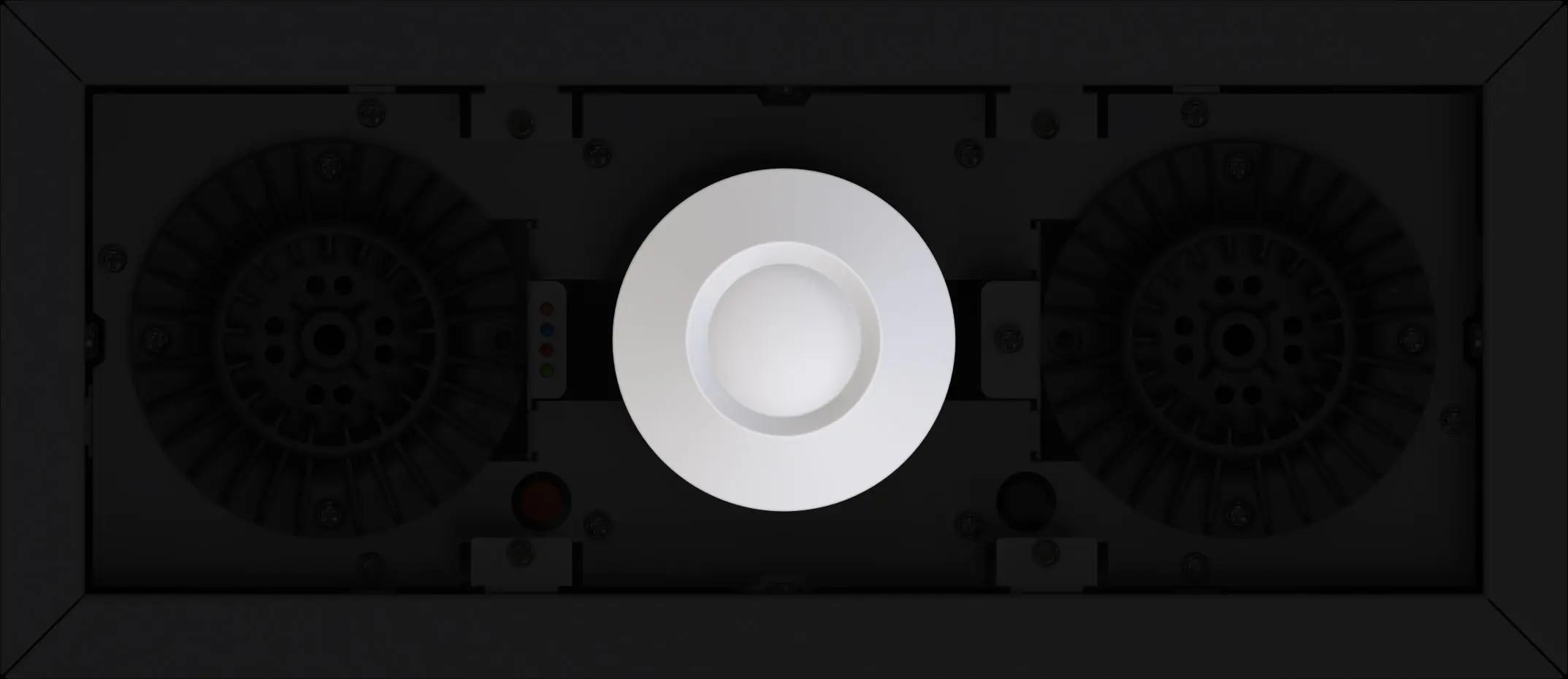
Passive Infrared Sensor. Dual noise-free pyroelectric infrared transducer.

-
Detection coverage and range:
360° up to 5m radius.
Total 10m area coverage -
Installation Height
2.5 – 3.6 meters -
Operating Temperature
-20°C to +50°C -
Power input
DC 12V
-
On board PIR sensor uses temperature compensation to maintain consistent detection sensitivity across different ambient temperatures.
-
Temperature compensation ensures reliable operation by reducing false alarms and improving accuracy.
-
Detection coverage and range:
360° up to 5m radius.
Total 10m area coverage -
Installation Height
2.5 – 3.6 meters
-
Operating Temperature
-20°C to +50°C -
Power input
DC 12V
- On board PIR sensor uses temperature compensation to maintain consistent detection sensitivity across different ambient temperatures.
- Temperature compensation ensures reliable operation by reducing false alarms and improving accuracy.
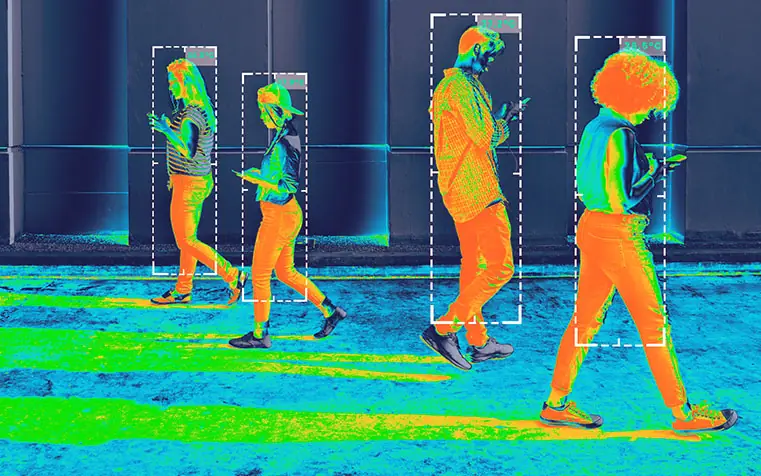
A key characteristic is the use of two separate detection elements
Dual Motion Detection
These elements are arranged to have opposing outputs. When a warm body enters the sensors field of view, the first element detects a change in the infrared signal.
As the body moves across the sensor’s view, the second element also detects the infrared change.
The signals from both elements are processed
Digital Signal Processing (DSP)
If both elements detect a change at the same time and in the expected sequence, it indicates actual motion.
This dual-element system design significantly reduces false alarms caused by gradual changes in the ambient infrared background or other heat sources, which would affect both elements simultaneously.


360° PIR sensor
The built-in PIR sensor uses temperature compensation to maintain stable detection sensitivity at different ambient temperatures.
It is a two-way temperature compensation mechanism, which reduces the natural drop in sensitivity during warm weather and the potential increase in sensitivity in cold weather.