Security Fog vs CCTV: Which Protects Your Business?
Security fog vs CCTV is not simply a choice between two competing products. For example, cameras provide visibility, footage, and, in some setups, live intervention. A security fog system takes a different approach: it reduces visibility inside a protected area during a confirmed intrusion.
For a business owner, the useful question is what happens between detection and help arriving. Do you need better evidence, an earlier warning, a direct response inside the room, or a combination? Understanding those jobs makes the buying decision clearer.
The main difference in security fog vs CCTV
CCTV, or closed-circuit television, helps you see activity and review recorded events. Depending on the equipment and service, it may also support alerts, remote verification, and communication through speakers.
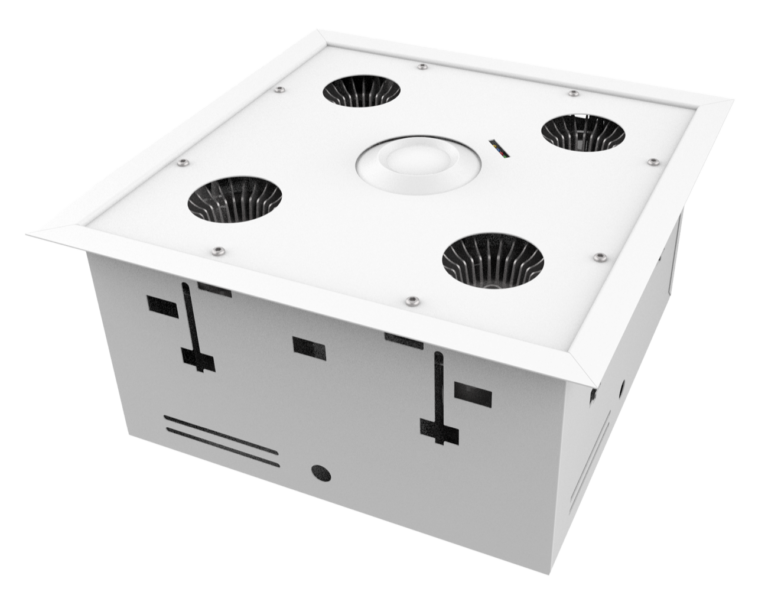
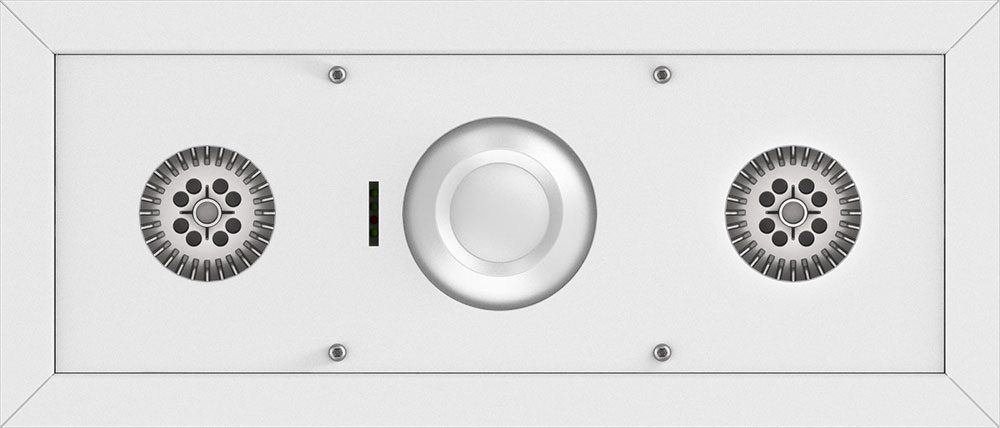
By contrast, security fog changes conditions inside the selected space. Its dense cloud makes it harder to see and locate items. Phantom Fog’s system overview explains how its platform combines alarm state, sensor validation, and deployment logic.
Therefore, assess them as separate layers. One helps you observe and assess an event; the other aims to disrupt it. However, neither should carry a promise that theft can never happen.
Security fog vs CCTV: a side-by-side comparison
| Planning question | CCTV | Security fog |
|---|---|---|
| What is its main job? | Show activity and record footage. | Reduce visibility during a configured intrusion response. |
| Can it support intervention? | Yes, with suitable monitoring, analytics, or audio features. | Yes, through deployment in the protected zone. |
| Does it preserve video evidence? | Yes, when recording and storage work correctly. | No. Separate cameras and recording remain important. |
| What needs site planning? | Views, lighting, storage, connectivity, and response arrangements. | Room layout, output, activation logic, occupants, and escape routes. |
| What needs ongoing attention? | Image quality, recordings, updates, and monitoring performance. | Readiness, servicing, cartridges, and the recovery procedure. |
Use this comparison to define requirements, not to rank every product in either category. Actual capabilities depend on the selected equipment and configuration.
Why live monitoring changes the comparison
A recording-only camera is not the same as a monitored video system. For example, an operator may assess an alert and issue a warning through connected speakers. Automated audio can also respond to certain detected events.
Axis Communications describes these options in its guide to network audio for retail. Therefore, a fair comparison should not claim that all cameras merely document losses after the fact.
Instead, ask the provider who receives alerts, what they can do, and when that service operates. Then identify any gap that remains. This gives the security fog vs CCTV discussion a practical starting point.
Build a response plan, not a pile of devices
Consider an illustrative example: a retailer wants to protect a closed stockroom after business hours. However, the owner has no clear response process for the cameras already in place. Adding more hardware without defining that process leaves an important question unanswered.
First, identify the intrusion signals and who receives them. Next, have the installer define any verification needed before a fog deployment. Then document notification, staff actions, and the recovery process.
Also clarify which tasks are automatic and which require a person. An owner should not have to guess whether an alert triggered a response. For integration discussions, Phantom Fog’s dealer and integrator resources provide a useful starting point.
Account for visibility and escape routes
Reducing visibility creates an important design tradeoff. If fog obscures the view inside a room, an ordinary camera looking into that cloud may also lose useful detail. Therefore, ask your installer how the overall camera plan will support evidence collection.
Do not assume every camera will retain a clear view after deployment. Instead, discuss recording before activation, coverage of other areas, and secure retention of footage.
People also need a clear emergency plan. The CCOHS emergency management checklist covers evacuation planning, training, and assigned responsibilities. Use it alongside the manufacturer’s installation guidance and a professional site review.
Compare ownership costs, not just hardware
A useful security fog vs CCTV budget separates equipment from ongoing support. For cameras, request details of recording storage, software, monitoring, and maintenance. For fog, request hardware, installation, integration, servicing, and replacement cartridge costs.
Also compare proposals over the same ownership period. Otherwise, a low initial quote can hide services that appear in a competing proposal. Ask each supplier to state what is included and what costs extra.
Avoid assuming an insurance discount or a fixed financial return. Instead, ask your insurer about your specific policy and assess the proposal against your own stock values and business needs.
Security fog vs CCTV FAQs
Is security fog vs CCTV an either-or choice?
No. Cameras still provide useful observation and recordings. Instead, review how their placement and recording arrangements support the wider plan, including what happens when visibility changes.
Does fog stop every theft attempt?
No system should promise that result. Fog aims to disrupt an intrusion by reducing visibility. However, performance depends on the site, configuration, activation conditions, and ongoing readiness.
Which upgrade should my business consider first?
Start with the missing function. Poor footage calls for a camera review; unclear alerts call for a response review. If you also need active protection inside a suitable room, discuss fog with a qualified integrator.
Choose the right combination for your site
The strongest security fog vs CCTV decision starts with your highest-risk area and a realistic response plan. First, bring your floor plan, current equipment details, and operating hours to the discussion. Then contact Phantom Fog to assess where active fog protection could complement the systems you already use.
More Insights
Keep reading