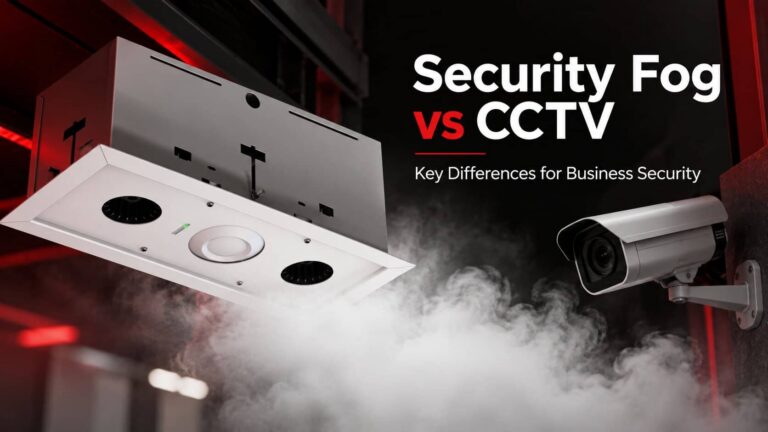
Security Fog Alarm Installation: Lessons from Ajax Training
Security fog alarm installation became a practical, field-focused topic during the recent Ajax and Phantom Fog dealer training at Wesco. Dealers saw how detection, relay logic, and active response can work as one clear security workflow. More importantly, they learned which design choices matter when a system must perform reliably on site.
Jacques Bullion from Telecable and Security shared his integration experience with the group. He focused on the real work behind a successful project: design, installation, testing, and ongoing support. As a result, the session connected product knowledge with the decisions installers face every day.
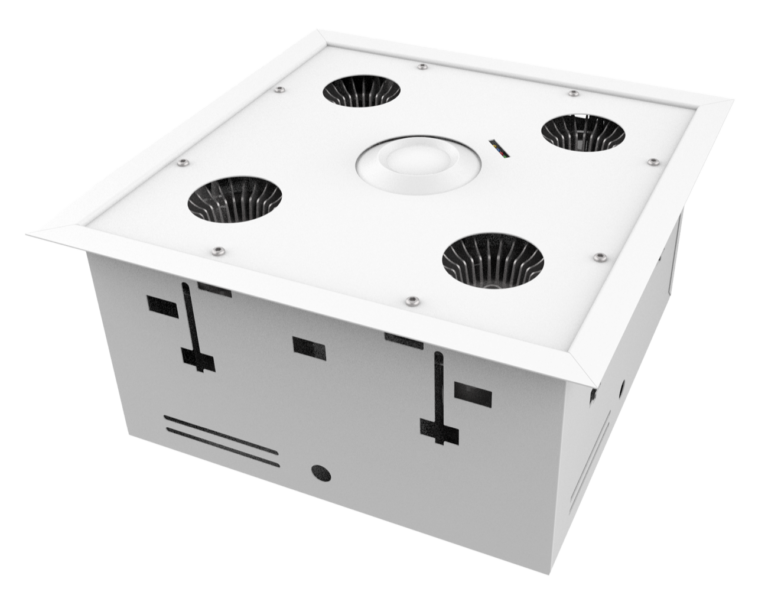
The training also showed why detection and response belong in the same conversation. Ajax Systems can detect an alarm event and support the alarm workflow. Then, Enforcer Systems by Phantom Fog can deploy dense fog when triggered. That rapid action denies visibility and helps disrupt a theft in progress.
Watch the Ajax and Phantom Fog dealer training
This video captures the dealer session and shows how Enforcer Systems by Phantom Fog can work with Ajax. Watch the demonstration to see the integration discussion in context.
Security fog alarm installation starts with a clear workflow
A fog device is only one part of an active security solution. The complete workflow starts with dependable detection. Next, the system needs defined trigger logic. Finally, the fog device must respond as planned when the correct alarm conditions occur.
The Wesco demonstration made that sequence easy to follow. Ajax provides the detection layer and supports the alarm process. Relay logic connects that process to the active response. Phantom Fog then fills the protected area with dense fog after the system receives the intended trigger.
This joined-up approach matters because fast theft attempts leave little time for intervention. An alert informs the monitoring path that something has happened. However, fog acts inside the protected space and removes the intruder’s ability to see clearly. Therefore, the solution can influence the event before a responder arrives.
What the Ajax and Phantom Fog training demonstrated
The session did not treat integration as a simple product handoff. Instead, it showed dealers how each stage supports the next one. The training centred on four practical ideas:
- Detection: Ajax detects the event and supports the alarm workflow.
- Relay logic: Three relays give installers more flexibility when they design triggers.
- Active response: Enforcer Systems by Phantom Fog deploys fog when the system triggers it.
- Dealer fit: The combined solution gives dealers a practical option for customers who want stronger protection.
Together, those stages create a clear path from detection to action. Dealers can also explain that path to customers without relying on abstract technical language. First, the alarm identifies the event. Next, the designed logic confirms the intended response. Then, the fog device acts in the protected area.
Why the three-relay demonstration mattered
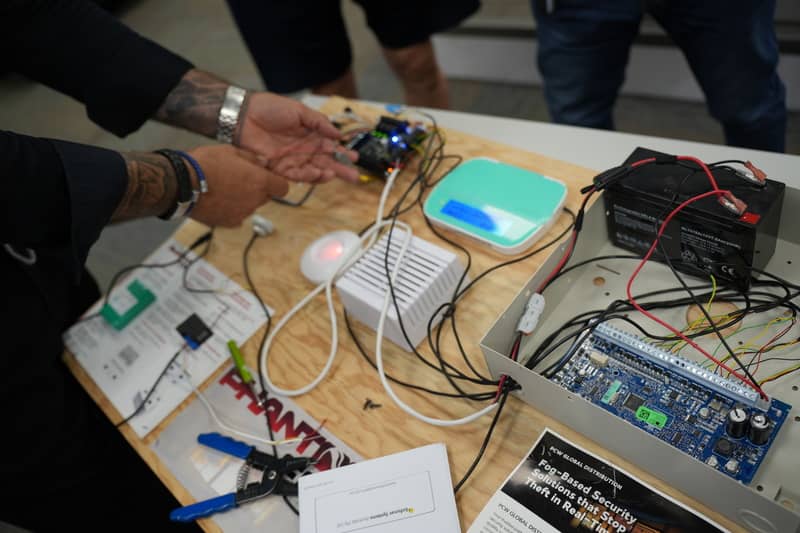
One of the most useful parts of the training focused on a three-relay connection between Ajax Systems and Enforcer Systems by Phantom Fog. The demonstration gave installers more room to consider different triggers. It also showed how they can shape a solution around the needs of each site.
That flexibility is important because no two protected spaces work in exactly the same way. A retailer may focus on the sales floor or a stock room. Meanwhile, another customer may need to protect a defined high-value zone. The installer must understand the site, the alarm workflow, and the expected response before choosing the final configuration.
Consequently, good relay design begins with questions, not assumptions. Which event should start the response? Which area needs protection? How will the dealer test the completed workflow? A clear answer to each question supports a more dependable security fog alarm installation.
Watch three ways to trigger security fog
The second video expands on the relay discussion. It presents three ways Ajax Systems can trigger Enforcer Systems by Phantom Fog, giving dealers a closer look at the integration options covered during training.
A practical process for dealers and installers
Jacques’s field experience gave the session a useful structure. Rather than viewing the job as a single installation step, dealers could see it as a complete process. That process includes planning before the equipment goes in and support after the handover.
1. Understand the protected site
Start with the customer’s risk, layout, and most important protected area. For example, determine where a fast theft would create the greatest loss. This assessment helps the dealer place both detection and active response within one plan.
2. Define the trigger logic
Next, decide how the alarm workflow should lead to a fog response. The three-relay demonstration showed that installers have useful design flexibility. Even so, they should base every trigger on the site’s requirements and the approved system design.
3. Install and connect the system
During the security fog alarm installation, the dealer brings the detection and response layers together. Careful connections matter, but clear documentation matters too. Therefore, the installer should record the chosen logic and make the final setup easy to understand.
4. Test the complete workflow
Testing should confirm more than an individual device. Instead, it should verify the path from alarm event to intended response. This step helps the dealer find configuration issues before the customer depends on the system.
5. Plan for support
A professional handover gives the customer confidence after installation day. Dealers also need a clear support process for future questions, system changes, and routine service. In short, a strong project continues after the equipment starts working.
How active response changes the security outcome
A complete security fog alarm installation still depends on traditional detection. Cameras, sensors, alarms, and monitoring help identify an intrusion and communicate the event. Yet detection alone does not remove visibility inside the building. That gap is where an active response adds value.
When the designed alarm conditions occur, Phantom Fog can rapidly fill the protected area with dense fog. The fog denies visibility and disrupts movement. As a result, an intruder has less ability to continue a theft quickly and confidently.
For customers, this creates a simple and relevant message: detection reports the threat, while active fog responds inside the space. For dealers, the integration adds another protection layer to a professional alarm proposal. Learn more about how the Phantom Fog system works and explore the official Ajax Systems website.
What dealers can take from the Wesco session
The strongest lesson was not a single product feature. Instead, the training showed how good integration depends on the whole project. Dealers must connect site assessment, trigger design, installation, testing, and support. Each stage helps the next stage succeed.
The session also gave dealers a clearer way to discuss active protection. They can begin with the customer’s exposure and identify the area where visibility denial could matter most. After that, they can explain how Ajax detection and Phantom Fog response fit into one planned workflow.
Most importantly, the demonstration kept the discussion grounded in real installation choices. A reliable security fog alarm installation needs thoughtful design and careful testing. Training gives dealers the confidence to ask better questions, present the solution clearly, and support it in the field.
Build the next project with Phantom Fog
Thank you to Wesco, Ajax, Jacques Bullion, and every dealer who took part in the session. Their participation turned the training room into a useful bridge between product capability and real-world installation.
If your customers want more than an alarm notification, consider adding active fog to the protection plan. Review the Phantom Fog anti-theft solution or contact our team to discuss integration, system design, and dealer support.
If you are planning a security fog alarm installation, our team can help you build the right workflow for the site.
More Insights
Keep reading